
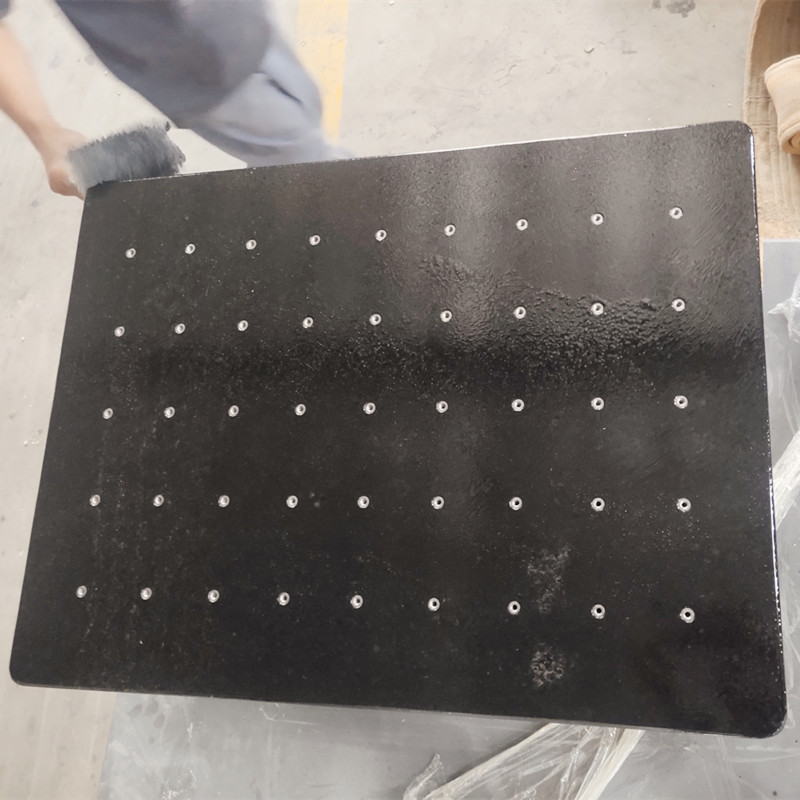
toughened mirror glass
Understanding Hose Bib Check Valves A Comprehensive Guide When it comes to plumbing and outdoor irrigation systems, hose bibs play a pivotal role in facilitating water access. However, to ensure optimal performance and prevent potential issues like backflow, the installation of a hose bib check valve is essential. In this article, we will delve into the function, benefits, installation, and maintenance of hose bib check valves, helping homeowners and DIY enthusiasts better understand their importance. What is a Hose Bib Check Valve? A hose bib is a faucet located outside a building, providing a simple way to access water for gardening, cleaning, and other outdoor activities. However, without proper safeguards, water can flow back into the main water supply, posing health risks due to contamination. A hose bib check valve is a one-way valve that allows water to flow in only one direction, preventing backflow and ensuring that any water drawn from the hose bib does not re-enter the potable water supply. Importance of Check Valves The significance of check valves in plumbing systems cannot be overstated. They serve several vital functions 1. Backflow Prevention As water is drawn from the hose bib, a check valve stops any contaminated water from flowing back into the main supply, protecting drinking water quality. 2. Equipment Protection For those using sprinklers or other irrigation systems, check valves can prevent damage caused by backflow pressure, which may harm hoses and fittings. 3. Pressure Regulation Check valves can help maintain consistent water pressure within the system by preventing backflow, which can cause fluctuations in pressure and potentially damage watering systems. Types of Hose Bib Check Valves There are several types of hose bib check valves, each catering to specific needs . The most common include - Spring-Loaded Check Valve Utilizes a spring to keep the valve closed until water pressure from the hose bib opens it. This is a standard type of check valve suitable for most residential applications. - Gravity Check Valve Relies on gravity to close the valve when water is not flowing. This type is less common and generally used in specific applications where gravity can consistently keep the valve closed. - Dual-Check Valve Comprising two separate check valves, this type offers an additional layer of protection, making it ideal for preventing more significant contamination risks. hose bib check valve Installing a Hose Bib Check Valve Installing a hose bib check valve is a straightforward process that can typically be completed with basic plumbing skills. Here’s a step-by-step guide 1. Turn Off the Water Supply Before beginning any plumbing work, ensure the water supply to the hose bib is turned off. 2. Remove the Existing Hose Bib Unscrew the hose bib from its fitting. You may need a wrench for this step. 3. Install the Check Valve Depending on the type of check valve, follow the manufacturer’s instructions. Usually, the valve should be installed in the direction of water flow, which is typically marked on the valve body. 4. Reconnect the Hose Bib Once the check valve is in place, reattach the hose bib to its fitting. 5. Test the System After everything is reconnected, turn the water supply back on. Check for leaks and confirm that the valve is functioning correctly by testing the hose bib. Maintenance Tips Regular maintenance of hose bib check valves is crucial for ensuring they operate correctly over time. Here are some maintenance tips - Inspect Periodically Check for signs of wear, corrosion, or leaks. Regular inspections can help identify issues before they become significant problems. - Clean the Valve Sediment can sometimes build up in the valve, impairing its functionality. Cleaning it periodically can ensure smooth operation. - Winterizing In colder climates, it’s essential to winterize your outdoor plumbing to prevent freezing. This includes draining the hose bib and check valve to avoid damage. Conclusion In conclusion, hose bib check valves are critical components of outdoor plumbing systems, providing essential protection against backflow, equipment damage, and pressure fluctuation. By understanding their purpose, types, proper installation methods, and maintenance needs, homeowners can ensure their irrigation systems operate efficiently and safely. Investing time and effort into installing and maintaining a hose bib check valve will ultimately safeguard both your water supply and landscaping.
about
toughened mirror glass
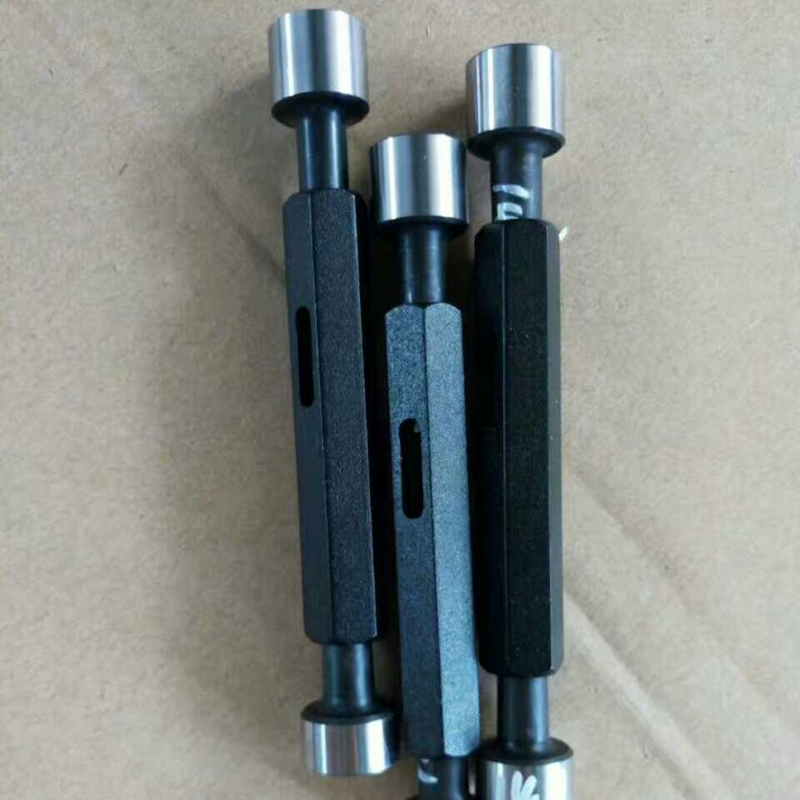
Understanding Reversible Thread Plug Gages In the realm of manufacturing and quality control, ensuring the precision of threaded components is paramount. One of the most effective tools for this purpose is the reversible thread plug gage. This specialized gage is designed to provide accurate measurements of internal threads in mechanical components, ensuring that they meet stringent industry standards. What is a Reversible Thread Plug Gage? A reversible thread plug gage is a cylindrical tool that features a threaded section at one or both ends. These gauges are used to measure the internal threads of holes in components, confirming their pitch diameter, form, and lead accuracy. Unlike standard thread gages, reversible gages can be flipped to measure threads of different pitches or diameters, making them a versatile choice for manufacturers. Applications of Reversible Thread Plug Gages Reversible thread plug gages are extensively used in industries where threaded components are critical. For example - Automotive Manufacturing With many of the components in vehicles featuring intricate threading (e.g., cylinder heads, exhaust systems), ensuring precision is crucial for safety and performance. - Aerospace Engineering Any component that involves flight must adhere to specific tolerances. Reversible thread plug gages help maintain these critical specifications. - Industrial Equipment Machinery often relies on threaded fasteners for assembly and operation. Ensuring these threads meet specifications is vital for the longevity and functionality of the equipment. Benefits of Using Reversible Thread Plug Gages 1. Accuracy and Precision The primary advantage of using reversible thread plug gages is their ability to provide accurate readings of thread dimensions. This ensures that parts will fit together correctly, reducing the risk of failure in critical applications. 2. Cost-Efficiency By offering two measuring pitches in one tool, reversible gages reduce the need for multiple tools, saving manufacturers money and storage space. reversible thread plug gages 3. Ease of Use These gages are simple to operate, allowing operators to quickly verify thread dimensions without complicated setups . The user-friendly design makes them accessible even to less experienced personnel. 4. Durability High-quality reversible thread plug gages are made from robust materials, enabling them to withstand repeated use in demanding industrial environments. This durability ensures long-term reliability and reduces the frequency of tool replacements. Standards for Thread Measurement To ensure consistency and reliability, reversible thread plug gages adhere to specific standards, such as those set by the American National Standards Institute (ANSI) and the International Organization for Standardization (ISO). These standards define acceptable limits for pitch diameter and other critical thread parameters, ensuring that the gages provide accurate results. Maintenance and Care Maintaining reversible thread plug gages is essential for ensuring their longevity and accuracy. Here are some tips for proper care - Regular Calibration Regularly calibrating gages against known standards helps maintain accuracy. - Cleaning Keeping the gages clean from dirt, oil, and debris ensures that they function correctly and do not produce erroneous measurements. - Storage They should be stored in a protective case when not in use to prevent damage. Conclusion Reversible thread plug gages are indispensable tools in the manufacturing and quality assurance processes, providing an efficient means of measuring internal threads with exceptional accuracy. Their versatility, cost-effectiveness, and compliance with international standards make them a critical component for industries that rely on precision engineering. By investing in high-quality reversible thread plug gages and maintaining them properly, manufacturers can enhance the quality of their products, ultimately leading to improved performance and customer satisfaction. Whether in the automotive industry, aerospace, or general industrial applications, these gages play a crucial role in advancing modern manufacturing processes.
-

High quality industrial productsagement

High quality industrial products
View Details -

Meet the diverse needs of customers

Meet the diverse needs of customers
View Details -

Strict quality control

Strict quality control
View Details -

Top raw materials

Top raw materials
View Details -

Trusted supplier

Trusted supplier
View Details
Our application
news and information
Vanne d'arrêt de 4 pouces
Vanne à Globe de 4 Pouces Caractéristiques et Applications Les vannes à globe sont des éléments ess
Versatile Metal Saddle Clamp for Securely Holding Pipes and Tubing in Various Applications
The Importance of Metal Saddle Clamps in Modern Applications In the world of engineering and constru
Versatile Ground Anchors for Enhanced Stability and Adaptability in Various Applications
The Versatility and Importance of Adjustable Ground Anchors Ground anchors have long been an essenti
 English